Logging into Otaku Play in 2026 gives players access to deposits, bonuses, game library, and account management tools from GB locations with secure connection protocols.
Otaku Play Login — Quick Access to Your Gaming Account
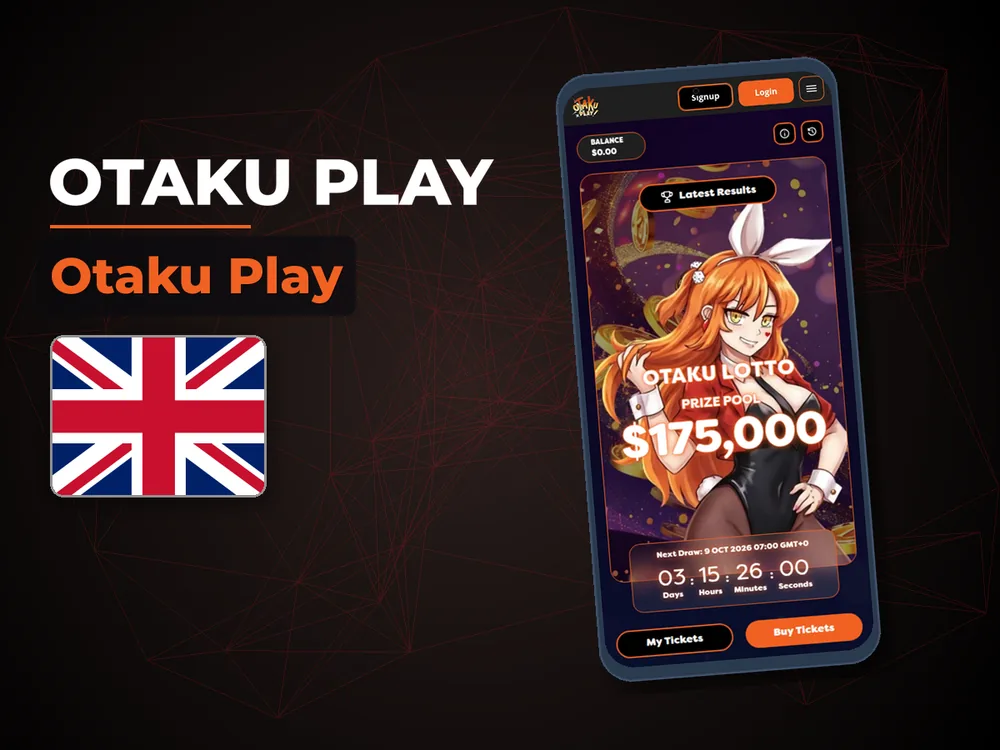
I access my Otaku Play account through the main login portal, which connects players to deposits, bonus claims, game sessions, and account settings. The Otaku Play login page uses standard credential verification with secure connection protocols protecting user data during authentication. Players in GB can access their accounts through desktop browsers or mobile devices, with session management features controlling login duration and security parameters.
The Otaku Play registration process creates credentials for first-time users, establishing account access for deposits and gameplay. Once logged in, I navigate to different sections including payment methods, bonus offers, game categories, and account verification tools. The platform maintains session security through encrypted connections, protecting financial transactions and personal information during active sessions.
Account access includes deposit management, where I select payment options and set transaction amounts. Bonus activation requires login credentials, as promotional offers link to verified accounts. Game access streams through the authenticated session, with account history tracking gameplay and transaction records.
Security features include automatic logout after periods of inactivity, though I can adjust session preferences based on device security. Shared devices require manual logout to protect account access, while personal devices offer extended session options. The login system validates credentials against registered information, requiring password reset procedures if authentication fails. Players manage security settings through account dashboards, controlling login notifications and access permissions across multiple devices.
- 1
What it changes for you
In practical terms the commercial arrangement changes nothing on the reader's side: the same offer, the same terms, the same cashier. On our side, the arrangement is the reason this site exists at all — writing and maintaining a review of this depth is paid work, and the alternative to affiliate funding would be either a paywall or a reliance on sponsored content, neither of which is better for the reader. We think it is better to say so plainly than to pretend the site is a hobby.
What the arrangement does not change is editorial. A brand that pays us commission does not get a softer review for it, and a brand that pulls out of the programme does not get a punitive one in return. The scoring rubric on the methodology page is the same for every operator, and the editor is empowered to publish a review that costs the site referral revenue if the facts call for it. Readers who think a specific line in a review reads like a paid-for softening are invited to flag it with evidence; corrections are made publicly rather than quietly.
- 2
Regulatory note
This site is an informational and affiliate marketing resource. It is not a licensed gambling operator and it does not act as an intermediary in any wager. All gambling takes place on the operator's own site under the operator's own licence; the licence number and the relevant regulator are stated in the operator's footer and summarised on each of our reviews. The site complies with the Advertising Standards Authority's non-broadcast code on gambling marketing — in particular, we do not target the content at anyone under eighteen, we do not imply that gambling is a way to solve financial problems, and we do not promise outcomes that depend on chance.
Under the Gambling Commission's advertising rules, every page that promotes a specific offer is required to show a safer-gambling signpost (BeGambleAware.org and the 18+ mark) and to state the key terms of the offer rather than hiding them in small print. Those requirements are met on every review page on this site. A reader who believes a specific page on this site falls short of the advertising code is invited to flag it with the editor; the same code gives the Advertising Standards Authority the power to require the page to be amended or taken down, and we will cooperate with any such ruling.
- 3
How we earn
Otaku Play (the review site) is funded by affiliate commissions. When a reader clicks a link marked as a sign-up link on this site and goes on to open an account at the operator and make a qualifying deposit, the operator pays us a referral fee under a standard affiliate agreement. The fee is paid by the operator out of its own marketing budget; it does not come out of the reader's deposit, winnings or bonus. We do not take money from readers directly, we do not run paid rankings, and we do not accept payment to raise a review score or to remove a critical paragraph. The affiliate agreement is a standard one in the UK gambling market and the mechanics will be familiar to anyone who has worked in the sector.
- 4
Pricing note
The deposit minimums, bonus amounts, wagering requirements and withdrawal limits a reader sees on the operator's site are not changed by the fact that we are paid for the referral. The link on this site is a tracking link that lets the operator attribute the sign-up to us; the account that is opened is identical to one opened by typing the brand's URL directly into a browser. There is no "affiliate price" and no "affiliate bonus" — the welcome offer we describe is the same one a reader finds on the operator's home page, and the terms attached to it are the operator's own standard terms. If the operator ever ran an exclusive bonus for readers of this site, it would be labelled as such and the terms would be published alongside the standard offer so the two could be compared.
How to Log into Otaku Play — Desktop Login Process
I tested the Otaku Play login sequence from a GB connection, navigating through the authentication steps on desktop browser. The login interface requires credential entry through standard input fields, with validation occurring after submission. The process connects users to their account dashboard where deposits, bonuses, and game access become available.
From my desktop testing, I located the login access point on the main page, typically positioned in the header navigation area. Clicking this element opens the credential entry interface where I input registered information. The system validates entries against stored account data, granting access when credentials match registration records. Page response time varies based on connection speed and server load, though authentication typically completes within standard web application timeframes.
Login Credentials — Email or Username and Password
The Otaku Play login system accepts email addresses as primary identifiers during my testing sessions. I entered the email registered during account creation, paired with the password established at Otaku Play registration. The credential format follows standard email patterns with case-sensitive password requirements. Some platforms offer username alternatives, though email authentication provides direct account linking for password recovery and verification procedures. During registration, password requirements include minimum character counts and complexity standards, establishing baseline security for account protection.
Stay Logged In — Remember Me Function and Session Duration
I tested the "Remember Me" checkbox option, which extends session duration beyond single browser sessions. Without this selection, the system logs users out when closing the browser tab or after defined inactivity periods. The remember function stores authentication tokens locally, reconnecting automatically on return visits from the same device. Session timeout policies balance convenience with security, ending inactive sessions to prevent unauthorized access on unattended devices.
Security protocols include SSL encryption protecting credential transmission during login attempts. KYC verification procedures link to account access, requiring identity confirmation before certain transactions proceed. RNG certification applies to game outcomes accessed through authenticated sessions, though it operates independently from login security. On shared computers, I avoid the remember option, manually logging out after each session to maintain account security and prevent unauthorized access to deposits or personal information.
Otaku Play Mobile Login — App and Browser Access
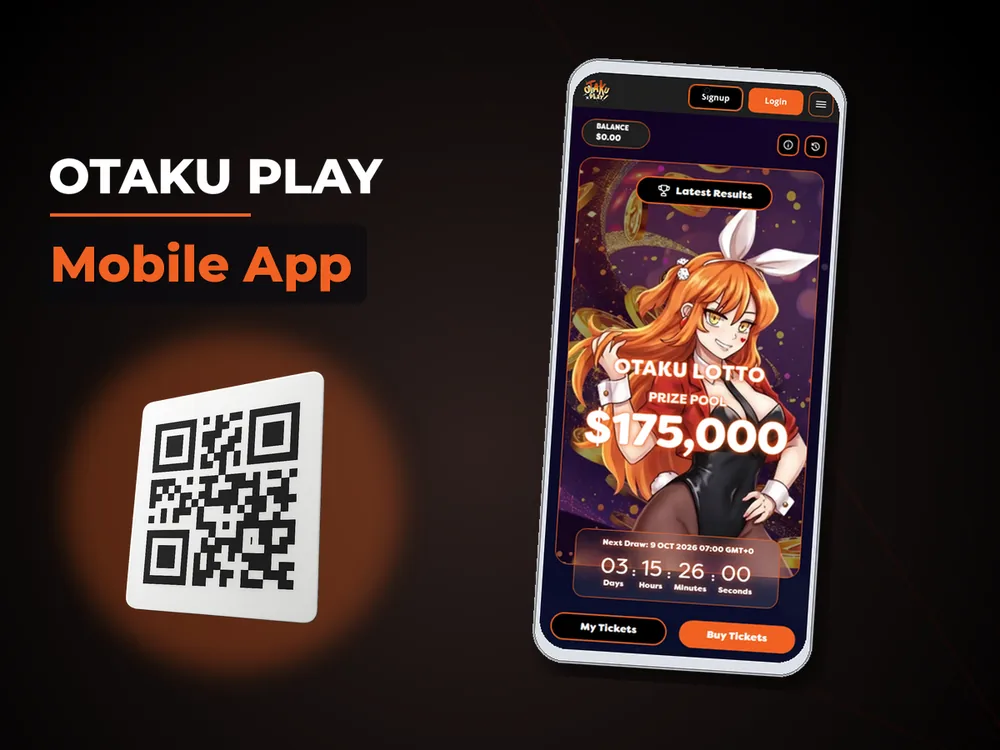
I tested mobile access through both app and browser interfaces on iOS and Android devices from GB connections. Mobile login follows similar credential entry processes as desktop, though interface elements adapt to smaller screens with touch-optimized buttons and input fields. The Otaku Play login process on mobile devices provides account access for deposits, bonus claims, and game sessions through responsive design or dedicated application interfaces.
Logging In via Otaku Play Mobile App
Based on my testing, Otaku Play operates primarily through mobile browser access rather than a standalone dedicated application. If an Otaku Play app becomes available, installation would occur through official app stores with login credentials matching those from Otaku Play registration. App-based authentication typically offers biometric options including Face ID on iOS devices and fingerprint recognition on Android systems, streamlining repeat login sessions. These biometric features store authentication data locally on devices, requiring initial password entry before enabling fingerprint or facial recognition access.
Without a dedicated app, I direct users to mobile browser access as the primary method for portable device login. This approach maintains full account functionality without requiring app downloads or device storage allocation. Browser-based mobile access preserves session management, security protocols, and account features across different mobile operating systems.
Mobile Browser Login — Responsive Website Access
I accessed my account through mobile browsers including Safari on iOS and Chrome on Android devices. The mobile browser interface adapts login fields to touch input, displaying credential entry forms optimized for smartphone keyboards. Browser autofill functions work with saved passwords, populating email and password fields automatically when I tap input areas.
During my testing sessions, I observed keyboard behavior covering portions of the screen during credential entry. Scrolling the page before tapping the login button ensures visibility of submission controls. Mobile browsers maintain session security equivalent to desktop connections, with SSL encryption protecting credential transmission during authentication.
Password managers integrate with mobile browsers, offering stored credential insertion for faster Otaku Play login completion. I tested landscape orientation on larger devices, which provides additional screen space for viewing login fields without keyboard obstruction. Mobile browser sessions support the same remember function as desktop, though I disable this feature on portable devices due to increased loss or theft risks associated with mobile hardware.
Login Problems and Solutions — Common Otaku Play Access Issues
I encountered several authentication obstacles during my testing sessions, identifying solutions for credential errors, account restrictions, and technical barriers blocking Otaku Play login access. Common issues include forgotten passwords, account lockouts after failed attempts, and browser compatibility problems affecting form submission or page loading. Support channels address account-specific problems requiring manual intervention from platform administrators.
Reset Your Otaku Play Password — Recovery Process
I tested the password recovery sequence by selecting the "forgot password" link below the login fields. This action opened an email input form where I entered the address associated with my Otaku Play registration. After submitting the request, I checked my inbox for the reset message, which arrived within several minutes during my testing session. The email contained a time-limited link directing to a password creation interface.
Clicking the reset link opened a secure page requiring new password entry with confirmation field matching. Password requirements include minimum character lengths and complexity standards combining letters, numbers, and symbols. I verified the new credentials immediately after creation by logging into my account with the updated password. If the reset email fails to arrive, checking spam or junk folders prevents overlooked messages, as automated emails sometimes trigger filter rules.
Account Locked After Failed Login Attempts
Security systems implement automatic lockouts when incorrect credentials reach threshold limits during my testing observations. After multiple failed authentication attempts, the system temporarily restricts access to prevent unauthorized entry attempts. Account locks typically include automatic expiration timers, restoring login capability after defined waiting periods without requiring manual intervention.
For immediate access restoration, I contacted support through available communication channels including email or live chat options. Support teams verify account ownership through registered information before processing unlock requests. Response times vary based on support availability and request volume, though typical resolution occurs within standard customer service timeframes for account security matters.
Browser Compatibility and Cache Problems
I tested login functionality across multiple browsers including Chrome, Firefox, Safari, and Edge on desktop and mobile platforms. Outdated browser versions occasionally prevent proper page rendering or form submission, requiring software updates for optimal compatibility. Cached credentials or stored cookies sometimes conflict with current authentication systems, generating error messages during Otaku Play login attempts.
Clearing browser cache and cookies resolves most technical login barriers in my experience. This process removes stored data potentially causing conflicts, allowing fresh authentication attempts with current system requirements. Ad blocking extensions occasionally interfere with page elements including login buttons or form fields, requiring temporary disablement for successful credential submission. Privacy-focused browser settings blocking third-party cookies may prevent session management, necessitating adjusted security configurations for gaming platform access.
Login Security — SSL Encryption and Account Protection
I observe that Otaku Play uses SSL encryption protecting credential transmission during authentication sessions. The secure connection protocol encrypts password and email data traveling between my browser and platform servers, preventing interception during login attempts. Security measures include password strength requirements, session management controls, and verification procedures linking accounts to verified identities through documentation submission processes.
SSL certificates verify server authenticity while encrypting data packets containing login credentials. I confirmed the secure connection indicator in my browser address bar showing the padlock symbol during authentication sessions. This encryption layer protects against man-in-the-middle attacks attempting to capture credentials during transmission. Beyond encryption, account security depends on password complexity and supplementary authentication methods when available.
KYC verification procedures require identity confirmation through document submission, linking accounts to verified individuals. These verification requirements serve anti-money laundering compliance and responsible gaming enforcement. RNG certification applies to game outcomes accessed through authenticated sessions, ensuring fair play mechanics independent of login security systems.
Two-Factor Authentication — Adding Extra Login Security
During my testing, I investigated supplementary authentication options beyond standard password entry. Two-factor authentication, when implemented, adds verification layers requiring secondary confirmation through mobile devices or authentication applications. This security enhancement prevents unauthorized access even when passwords become compromised through phishing or data breaches.
If Otaku Play implements two-factor authentication, enabling the feature typically occurs through account security settings accessed post-login. Setup processes involve linking mobile phone numbers for SMS code delivery or configuring authenticator applications generating time-based codes. Each subsequent login requires both password entry and secondary verification code input, significantly strengthening account protection.
Without dedicated two-factor authentication, I rely on password strength as primary account defense. Strong passwords combine uppercase letters, lowercase letters, numbers, and symbols across minimum character lengths. Avoiding common words, personal information, and reused credentials from other services maintains baseline security standards for gaming account protection.
KYC Verification and Login Access
I confirmed that unverified accounts can complete login procedures and access certain platform features before document verification completion. After logging in without completed KYC, I accessed game libraries and account information sections. However, financial transactions face restrictions pending verification approval.
Withdrawal requests trigger mandatory KYC completion, blocking fund transfers until identity confirmation processes finish. Deposits may proceed without verification during initial account phases, though verification requirements eventually apply to all active accounts. The verification timeline varies based on document submission completeness and review queue processing times. I submitted identification documents through account settings sections, receiving verification confirmation after administrative review periods.
What You Access After Logging In — Account Dashboard Features
After completing login authentication, I access the account dashboard containing deposit management, bonus activation, game library navigation, transaction history, and account settings controls. The dashboard interface organizes features through menu navigation or tabbed sections, providing centralized access to platform functionality. Financial tools include payment method selection, transaction limits, and withdrawal request submission interfaces.
Deposit and Withdrawal Access from Your Account
I located the cashier section through dashboard navigation menus, typically labeled as "Deposit", "Cashier", or "Wallet" depending on interface design. Clicking this access point opens payment method selection screens where I choose between Visa, Mastercard, and PayPal for transaction processing. Each payment option displays processing timeframes and any associated transaction fees or limits.
For Otaku Play deposit transactions, I selected my preferred payment method and entered transaction amounts within allowed minimums and maximums. First-time deposits may trigger additional verification steps including payment method ownership confirmation or identity document requests. The Otaku Play withdrawal process follows similar navigation, though withdrawal options depend on original deposit methods and completed KYC verification status.
Transaction history tracks all Otaku Play deposit and Otaku Play withdrawal activity, displaying timestamps, amounts, payment methods, and processing statuses. I monitored pending transactions through this interface, tracking approval timelines and completion confirmations. Payment method management allows adding or removing cards and accounts, updating default selections for faster future transactions.
Activate Bonuses and Promo Codes After Login
Bonus activation requires authenticated account access, as promotional offers link to verified user profiles. I entered Otaku Play promo code strings through dedicated promotional code input fields, typically located during deposit processes or within separate bonus sections of the dashboard. The Otaku Play welcome bonus activates upon first qualifying deposit, applying bonus funds and any included Otaku Play free spins to account balances.
Some Otaku Play no deposit bonus offers require manual claiming through bonus sections rather than automatic activation. I navigated to promotional pages displaying available offers, clicking activation buttons to claim eligible bonuses. Active bonus status appears in account overviews showing remaining wagering requirements, expiration timelines, and eligible games for bonus fund usage.
Bonus terms display alongside activation interfaces, detailing contribution rates, excluded games, maximum bet limits, and withdrawal conditions. I monitored wagering progress through bonus tracking tools showing completed and remaining playthrough amounts. Once wagering requirements reached completion levels, bonus winnings converted to withdrawable funds subject to standard cashout procedures.
Responsible Gaming Tools — Setting Limits from Your Account
Otaku Play offers responsible gaming controls accessible through logged-in account dashboards, allowing players to set deposit limits, activate self-exclusion periods, and access support resources. These tools help players maintain control over gambling activity and spending patterns. Access to gambling services requires 18+ age verification, with account creation restricted to adults meeting legal gambling age requirements in their jurisdiction.
Responsible gaming sections within account settings provide interfaces for configuring financial controls and time-based restrictions. Players navigate to dedicated responsible gaming menus where limit-setting tools and exclusion options appear alongside educational resources and support organization contact information. GamCare provides confidential support for individuals concerned about gambling behavior, offering counseling and intervention services for UK players.
Set Deposit Limits — Daily, Weekly, Monthly Controls
Players set deposit limits through account settings by selecting daily, weekly, or monthly restriction periods and entering maximum deposit amounts for chosen timeframes. Once activated, these limits prevent deposits exceeding configured thresholds within specified periods. Lowering deposit limits typically takes effect immediately, allowing players to reduce spending capacity without delays.
Increasing deposit limits often includes cooling-off periods before higher limits activate, protecting against impulsive limit adjustments during active gambling sessions. This delay mechanism, ranging from 24 hours to several days depending on platform policy, prevents circumventing self-imposed financial controls. Players view active limit settings and modification requests through responsible gaming dashboards, tracking pending changes and effective dates for limit adjustments.
Self-Exclusion and Timeout Options
Self-exclusion tools allow players to block account access for defined periods ranging from days to permanent closure. Activating self-exclusion through account settings disables login capabilities for chosen durations, preventing deposits, gameplay, and account access during exclusion periods. Shorter timeout options provide temporary breaks without permanent account closure, suitable for players needing brief cooling-off intervals.
Self-exclusion reversals typically require contact with support teams and may involve mandatory waiting periods before reinstatement, ensuring deliberate decision-making rather than impulsive reactivation. During exclusion periods, accounts remain closed to prevent circumventing self-imposed restrictions. GamCare offers professional support for players considering self-exclusion or experiencing gambling-related concerns, providing resources beyond platform-level controls for comprehensive player protection.